Turkey Welcomes New Libyan Parliament Speaker, Promises to Strengthen Cooperation
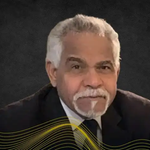
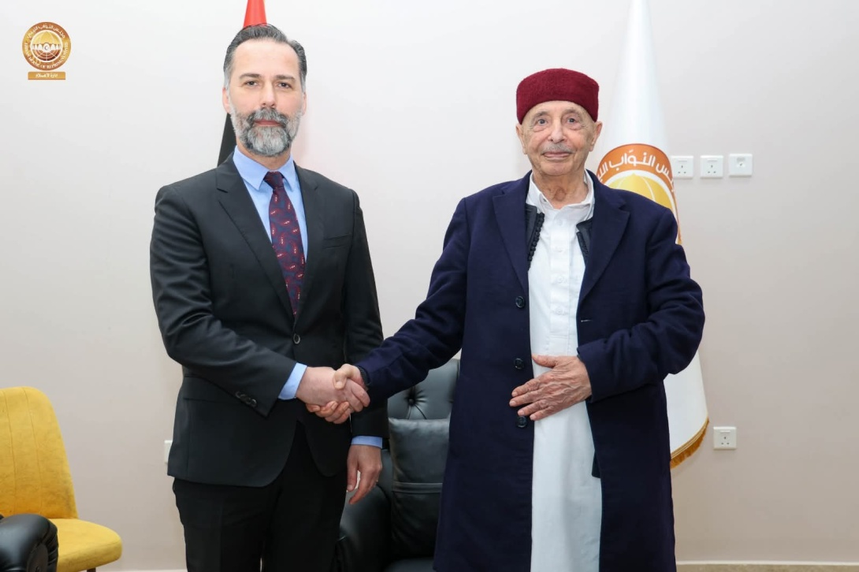
Turkey’s Numan Kurtulmuş, Speaker of the Grand National Assembly, sent a congratulatory telegram to Libya’s House of Representatives after it elected Saleh Abdulnabi Al-Obeidi as its new speaker, replacing Aguila Saleh.
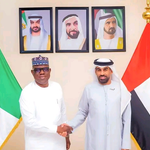
The Libyan parliament, in a statement on Friday, said Kurtulmuş had expressed confidence in enhancing cooperation between Turkey and Libya, noting that the relationship was based on mutual friendship, brotherhood and mutual interests.
Kurtulmuş also expressed his hope that the relationship between the two legislative bodies would be strengthened through further communication, dialogue and cooperation.
Read More News: Libya’s Parliament Speaker Ousted After 12 Years as Power Shifts in the East
Al-Obeidi was elected Speaker of the House of Representatives last Tuesday in Benghazi. Lawmakers also elected Tariq Al-Ashtar as First Deputy Speaker and Misbah Douma as Second Deputy Speaker.
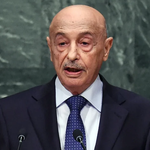
Aguila Saleh, who has been the speaker since August 2014, boycotted the session. The leadership transition was backed by the United Nations Support Mission in Libya, the United States and troops under the command of Libyan National Army General Command chief Khalifa Haftar and his deputy, Saddam Haftar. But a few lawmakers opposed the move.
Lawmakers Call for Alternative Session in Tripoli
In isolation, 12 members of parliament have requested a session in the capital, Tripoli, to elect the House of Representatives’ leadership afresh.
The lawmakers, representing the Free Parliamentarians Bloc, stated that the leadership should be elected by the free will of parliamentarians, and not by military, security or political actors.
They said in their statement that parliament is the voice of the people and should not be ruled by guns.
The bloc also demanded that the proposed session be public and transparent, allowing all lawmakers to freely voice their opinions and vote without threats, restrictions or external pressure.
The rival claims to the leadership of the Libyan parliament and the legitimacy of the recent election reflect ongoing divisions in the country’s legislature, which pose political hurdles to a wider settlement in Libya.