The public-sector wage and salary bill rose by 263% from 2020 to 2025, compared to the 25.9% growth of the country’s gross domestic product (GDP) over the same period, raising concerns about the growing pressure on public finances and the sustainability of government spending.
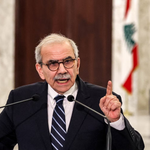
Mohamed Abu Snina, an economic expert, cautioned against the growing disparity between the rate of economic growth and the rate of salary increases, noting that the rapid rise in public-sector salaries has not been matched by a similar growth in the broader economy.
Abu Snina said the wage bill’s fast expansion was taking up a larger proportion of government spending on salaries and wages, and reducing the funds available for development projects, investment and fixed capital formation.
Read More News: Libya Detains Oil Company Officials in $140 Million Project Investigation
He warned that the imbalance may jeopardize the efforts to boost the productive capacity of the Libyan economy, especially if the increase in public spending does not lead to a proportional increase in productivity and output.
Abu Snina also cautioned that wage hikes without a corresponding rise in productivity could contribute to inflation by raising demand for goods and services without a corresponding increase in supply. These pressures may lead to higher prices and lower purchasing power.
The continued expansion of the public-sector workforce adds to these concerns. The new salary scale, combined with the growing number of workers in state institutions, may lead to additional regular financial commitments for the government.
This rising wage bill thus poses a challenge to Libya’s public finances, especially in terms of balancing the demands of salaries with those of infrastructure, productive investment and economic diversification.
The gap between wage spending and GDP growth also raises other issues of public spending efficiency and the effectiveness of government wage growth in supporting sustainable economic growth.
If economic growth is not stronger, productivity is not higher and public employment is not managed more effectively, the demands on government revenues will increase, and the resources for long-term development will be reduced.