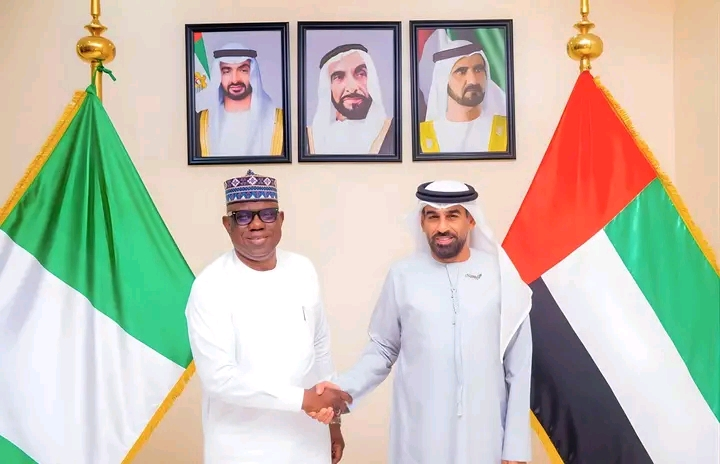
DUBAI: Nigeria is negotiating with the United Arab Emirates on plans that would boost its power generation capacity by approximately 5,000 megawatts, as the most populous country in Africa tries to address the chronic power shortages and modernize its old-fashioned electricity system.
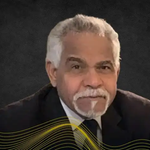
Nigeria’s Federal Minister of Power, Joseph Olasunkanmi Tegbe, said the talks include potential Emirati financial support, solar energy projects, technical cooperation and the exchange of expertise.
In an interview with the Emirates News Agency (WAM) at Middle East Energy 2026, Tegbe indicated that Nigeria and the UAE already enjoy extensive energy cooperation, with various programmes being funded by Emirati partners.
Solar energy is becoming a very significant field of cooperation. According to Tegbe, both nations enjoy high amounts of solar irradiation, which provides Nigeria with a chance to learn the experience of the UAE in building large-scale renewable energy projects.
More Stories: The Western Power Grid in Libya is partially blacked out following major tripping of the transmission
But the minister pointed out that the relationship is not limited to funding. Nigeria is also interested in the experience of the UAE in the development of projects, technical planning and the real issues of the development of energy infrastructure.
Nigeria’s Power Gap
The current installed electricity generation capacity in Nigeria is approximately 13,625MW, yet the quantity of electricity that is delivered to consumers is significantly less.
Tegbe says that about 5,000MW is carried over the national grid, and only about 4,000MW is actually delivered.
The numbers underscore one of the key energy issues in Nigeria: more generation will not always mean more electricity to households and businesses.
A large part of the infrastructure in the country is old, and some parts of the power grid are about 50 years old. The government is thus modernizing old equipment, changing infrastructure and enhancing the transmission network to enhance reliability and resilience.
The transmission lines are also being rehabilitated to enable them to carry more electricity loads in future.
The government is aiming at aggregate technical, commercial and collection (ATC&C) losses, which encompass electricity lost due to technical weaknesses in the grid and commercial losses due to problems like tariff differentials.
Leaving a Centralized Grid
A more notable transformation in progress is the move by Nigeria towards a less centralized electricity system.
The recent legislation has provided more powers to state governments to come up with electricity generation and distribution projects in their jurisdictions in addition to the role of the federal government.
The relocation would slowly establish a more decentralized power market where states will be able to come up with solutions that are dependent on their energy resources and local demand.
That change can also render renewable energy projects more feasible in regions where it is costly or technically challenging to expand or fortify the national grid.
The UAE Partnership may go beyond Megawatts
The 5,000MW expansion is a big one, but its greater significance may be the way Nigeria is tackling the problem behind it.
Nigeria already possesses a large generation potential; the challenge has been to transform the potential into a dependable electricity supply to the consumers. The impact of new generation projects can be curtailed by weak transmission infrastructure, technical losses, commercial inefficiencies and an aging grid.
That is why collaboration with the UAE may be more consequential in case it integrates new generation capacity with grid modernization, solar development, financing and technical expertise.
More News: Dnata Upgrades Dubai Cargo Operations Center to enhance efficiency
Provided that the proposed projects are implemented, the partnership may provide Nigeria with more than more megawatts. It may assist in hastening a shift to a more diversified and decentralized electricity system, and narrowing the divide between the amount of power the country can produce and the amount of electricity consumers actually get.
In the case of Nigeria, the next task will be to transform the proposals into working projects. In the case of the UAE, the alliance will provide a chance to export not only capital but also experience acquired in the fast-growing energy infrastructure and renewable energy.
The result might not be the installed generation capacity of Nigeria, but the amount of extra electricity that gets to homes, businesses and industries.