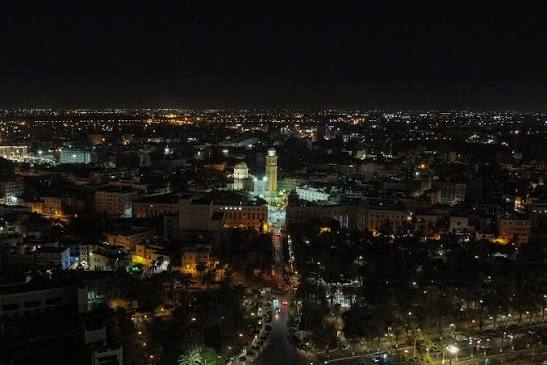
TRIPOLI: The General Electricity Company of Libya (GECOL) reported that the western part of the Libyan electricity grid was partially blacked out in the early hours of Monday, hours after top officials of the company had tried to assure the people that the worst of the summer power cuts were over.
The power outage followed a day after GECOL conducted a long live press conference in Tripoli where some of the top officials including the general manager of the company indicated that power supply would improve in the next few days.
Read More News: Dnata Upgrades Dubai Cargo Operations Center to enhance efficiency
The new Tripoli South Power Station, which was recently constructed, was supposed to start entering service in a few days, officials said. They also cited the fact that the peak summer demand was about to end as September approached, and that this would relieve the electricity system and ultimately put some power plants out of business.
Monday outage was caused by a sudden disturbance that coincided with the tripping of two large transmission circuits: the Misrata-Al Khoms 400-kilovolt line and the Bir Al-Ghanam-Al Ruwais circuit, GECOL said Monday.
The events led to a drastic drop in the grid frequency to 47.5 hertz, which disturbed the equilibrium between electricity production and demand.
The company said a comprehensive technical investigation was under way, including an analysis of protection-system logs, to establish why the two circuits suddenly tripped.
GECOL indicated that the investigation would establish whether the events were due to technical failures or intentional sabotage or interference that aimed at destroying the electricity grid.
Read This News: First Oncology Conference 2026 Starts in Tripoli
The company indicated that it was striving to bring sanity to the system and promised to publish the results of the investigation.
GECOL added that the results would also assist the authorities to take relevant legal action to safeguard the affected facilities, which it termed as sovereign assets that are vital to national security.