The International Monetary Fund (IMF) has cautioned that energy-rich economies in the Middle East are unlikely to resume their pre-war growth paths in the medium term as the escalating hostilities between Saudi Arabia and Yemen’s Houthi movement are hampering economic activity, energy shipments and key infrastructure.
The conflict had inflicted “scarring” on several economic sectors and key infrastructure, and regional economies needed more investment to make them more resilient, said Jihad Azour, director of the IMF’s Middle East and Central Asia Department.
“In the medium term, we will not return to the pre-war path,” Azour said to reporters, adding that the economic consequences would not be limited to the war itself.
Access Latest and Old Libya News Here
His comments coincided with policy makers and economists meeting in Bangkok to discuss the growing risks to the global economy, such as the continued high prices of energy and the uncertainty of the sustainability of the artificial intelligence boom.
The IMF predicted a 0.3 per cent decline in the Middle East and Central Asia region in 2026 in its latest economic forecast on Tuesday. The area has been especially hard hit by the economic effects of the war with Iran and its regional implications.
Saudi Arabia is likely to experience a sharper slowdown, as the IMF expects its economy to shrink by 3.3 per cent this year. The prediction is a major blow to the kingdom, which has long depended on energy exports to fuel economic expansion.
More News: The Wage Bill in Libya has increased by 263% in five years, much higher than the economic growth
The disruption of maritime traffic and energy infrastructure has added pressure to regional economies, and the uncertainty of the length and extent of the conflict has made investment decisions and economic planning difficult.
Earlier, IMF Managing Director Kristalina Georgieva had cautioned that the ongoing assaults against Saudi Arabia could have repercussions beyond the Middle East, impacting economies and populations globally.
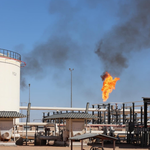
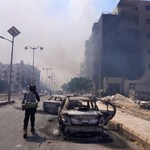
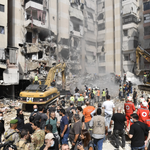
The security situation has worsened as Saudi Arabia’s coalition and Yemen’s Houthis have stepped up their fighting. Recent missile strikes have reportedly killed people and hit airports, energy plants and the headquarters of Saudi state oil company Aramco.
The IMF’s evaluation highlights the danger that the economic impact will continue beyond the end of the fighting. It may take a long time and significant public spending to repair damaged infrastructure, restore trade and energy flows, and rebuild investor confidence.
Extended instability is an extra hurdle for investment, international trade and long-term development strategies for Gulf economies aiming to sustain growth and diversify away from hydrocarbons.