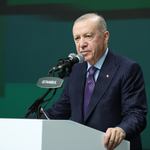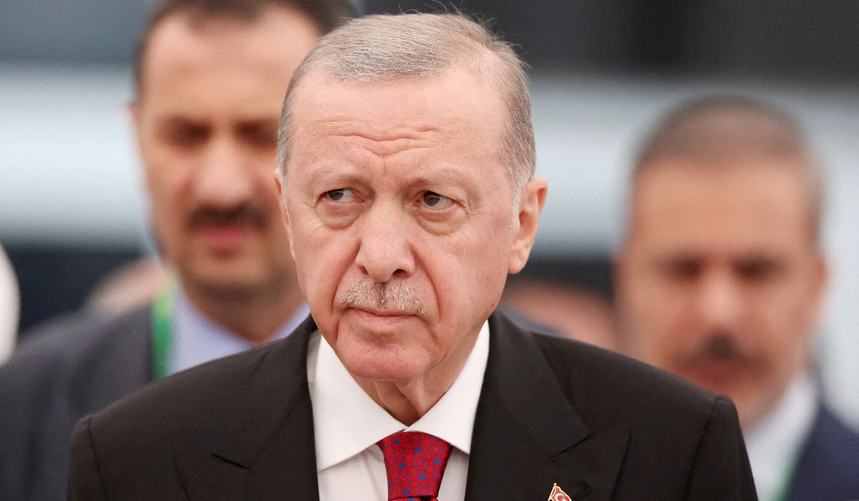
Turkish President Recep Tayyip Erdoğan has dismissed criticism from the European Union and others regarding Libya’s ratification of a 2019 maritime boundary agreement with Turkey, saying objections to the deal have no legitimate basis.
Erdoğan, who spoke on Monday, said Turkey was not trying to gain any political benefit at the expense of any other party in the eastern Mediterranean.
Read More: Erdogan Welcomes Libya’s Approval of Maritime Agreement with Türkiye
“We are not trying to gain political benefits at the expense of anyone in the eastern Mediterranean,” Erdoğan said, stressing that those trying to keep Turkey out of the region must respect the will of Turkey and Libya.
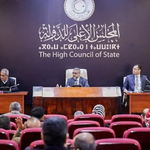
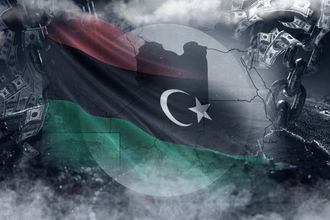
The comments follow the eastern-based House of Representatives in Libya approving the maritime deal on October 20, after years of opposition to the deal.
EU and Greece reject maritime deal
The European Union and Greece have been against the ratification, saying the agreement violates the sovereign rights of other countries and international law.
Read More: IFRC Final Report highlights progress and lessons from Libya’s Storm Daniel response
The 2019 deal between Turkey and Libya drew maritime borders between the two nations and has been a bone of contention in the eastern Mediterranean, where overlapping maritime claims have been a source of regional tensions.
Libya’s parliament’s latest action has brought back worries from countries contesting the validity of the agreement and its impact on maritime jurisdiction in the region.
Egypt reiterates its objection to Turkey-Libya deal
Egypt has also strongly rejected Libya’s ratification of the agreement.
During his meeting with his Turkish counterpart in Istanbul on Friday, Egyptian Foreign Minister Badr Abdelatty reiterated Cairo’s strong objection to the 2019 memorandum of understanding on maritime boundary delimitation.
Cairo has continued to object to the deal, which was ratified by the House of Representatives in Libya, saying it would have no legal impact on Egypt.
The dispute underscores ongoing tensions over maritime borders and territorial sovereignty in the eastern Mediterranean, where overlapping claims by Turkey, Libya, Greece and Egypt have been a source of regional tensions.