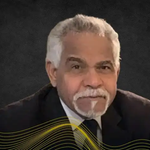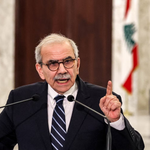
CAIRO: Arab League Secretary-General Nabil Fahmy has reaffirmed the organization’s support for Libyan efforts to build political consensus and restore stability, stressing the importance of an inclusive process that protects the interests of the Libyan people.
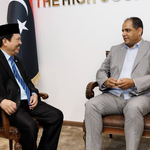
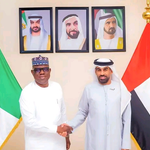
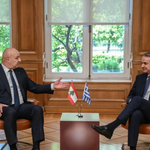
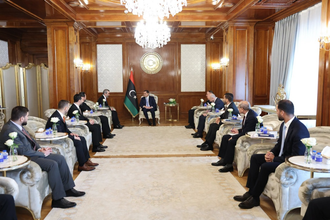
Fahmy made the remarks during a meeting with Taher Al-Baour, Libya’s acting Minister of Foreign Affairs and International Cooperation, on the sidelines of the 166th session of the Arab League Council at the ministerial level in Cairo.
Read More: Libya Arrests Five Over Alleged Plot Targeting Oil and Power Facilities
The Arab League chief said the organization would continue coordinating with Libyan political actors, concerned Arab countries and the United Nations mission in Libya to support efforts toward a broader political settlement.
The two officials discussed developments in Libya as well as a range of regional and Arab issues of mutual concern. They stressed the need to maintain momentum in the country’s political process and encourage greater dialogue among Libyan parties.
Arab League backs Libya’s sovereignty
Fahmy reiterated the Arab League’s longstanding position in support of Libya’s unity, sovereignty, independence and territorial integrity, while opposing foreign interference in the country’s internal affairs.
He said the League supports a Libyan-owned and Libyan-led political process focused on bringing an end to transitional arrangements, unifying state institutions and paving the way for comprehensive national elections.
Focus on political consensus
The meeting also reviewed recent developments under the United Nations Support Mission in Libya and emphasized the importance of building on initiatives capable of narrowing differences among Libyan factions.
More News: Iranian Guard Commander Vows Retaliation After US Strike on Wedding
Fahmy stressed that greater political consensus would be essential to resolving outstanding issues and creating the conditions necessary for a lasting settlement.
The discussions also highlighted the importance of stronger Arab consultation and coordination over developments in Libya and other regional issues.
The Arab League’s renewed engagement comes as Libya continues to grapple with political divisions and competing centers of power. While international and regional actors have repeatedly called for elections and institutional unification, progress has remained difficult amid disagreements among the country’s rival political forces.
For the Arab League, the challenge extends beyond facilitating dialogue: a sustainable political settlement will ultimately depend on Libyans themselves reaching agreement on the rules of political transition and the future structure of state institutions.