BEIJING – China has provided technical support and special training to the Government of National Unity (GNU) Interior Ministry to enhance its capacity in combating organized crime, drug trafficking and psychotropic substances.
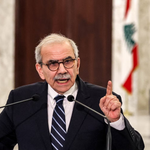
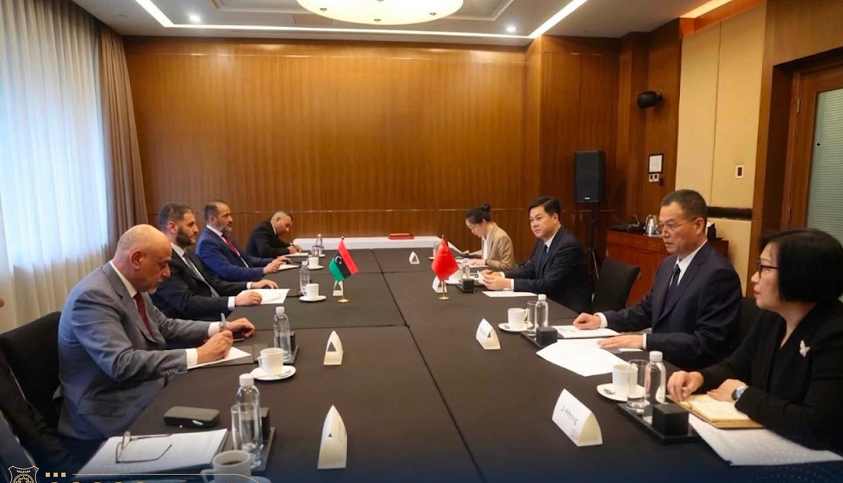
During the meeting in Beijing, Qi Yanjun, Vice Minister of Public Security and Director of the Beijing Municipal Public Security Bureau, made the offer to GNU Interior Minister Emad Al-Trabelsi.
Read News: Houthi Attacks Injure 73 Civilians in Saudi Arabia, Kingdom Vows Response
The two officials discussed the possibilities of further developing security cooperation between Libya and China, such as strengthening the cooperation in policing and law enforcement and sharing of experience and expertise.
The meeting was held during Al-Trabelsi’s attendance at the 2026 Global Public Security Cooperation Forum, which is taking place in Lianyungang from September 8 to 10.
The talks were aimed at enhancing bilateral security cooperation and establishing mechanisms for the exchange of knowledge and professional experience in the field of security to assist Libya’s security efforts, according to a statement from the country’s Interior Ministry published on Facebook.
China was ready to offer technical assistance to the Interior Ministry of Libya, especially to the agencies dealing with organised crime, drugs and psychotropic substances, Qi said.
Read News: Arab League Pushes for Libyan Consensus as Political Divisions Persist
The Chinese side also said it was willing to hold joint training sessions to build the capacity of Libyan security forces.
Both sides also discussed the possibility of signing a memorandum of understanding on security cooperation between Libya and China.
The potential partnership may allow Libya to gain Chinese policing skills, technology and training, and Beijing to have a stronger security relationship in North Africa. The emphasis on organised crime and narcotics also suggests a more comprehensive institutional capacity-building initiative, as opposed to just equipment or operational support.