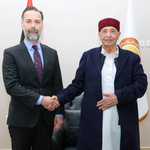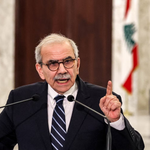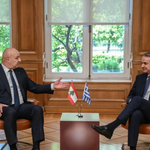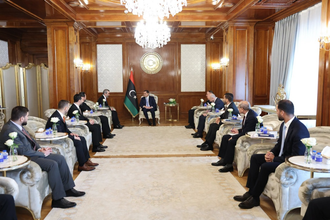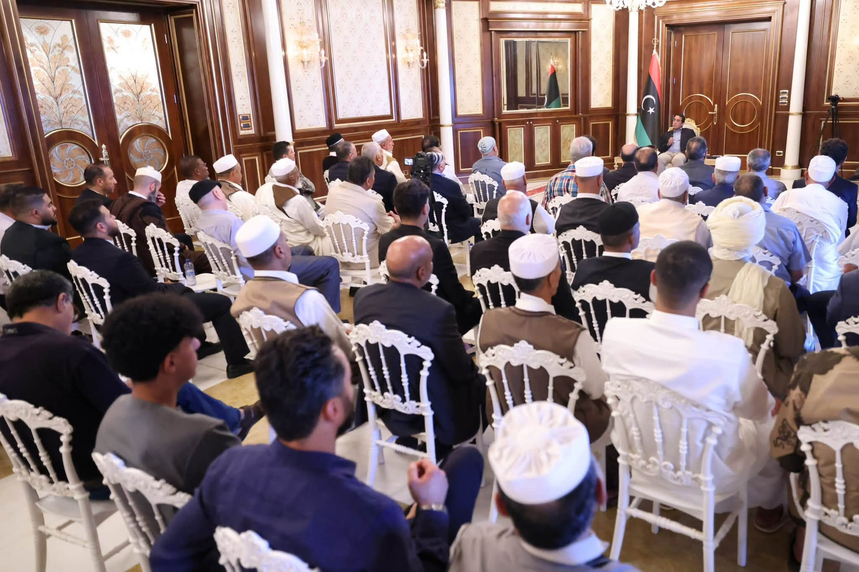
TRIPOLI: On Wednesday, Libya’s Presidential Council head Mohamed Al-Menfi met with a delegation of notables, elders, civil society, elites and community leaders from the eastern, western and southern parts of the country to discuss Libya’s political, economic and security challenges.
The meeting took place at the headquarters of the Presidential Council in Tripoli on the developments in the country and the work to be done to move the political process forward and to end the long transitional period and establish conditions for a stable future through comprehensive presidential and parliamentary elections.
Read News: China Moves to Boost Libya’s Security Capabilities With Technical, Training Support
The talks highlighted the importance of holding elections in which all Libyans can vote without exception or exclusion under a single civil authority, the Council’s media office said.
Al-Menfi stated that the Presidential Council is steadfast in its determination to put an end to the transitional periods and to not allow them to become a permanent political system. He said the Council was prepared to back any serious and realistic settlement that could help to shorten the life of transitional institutions and help to move towards elections that could restore political legitimacy and usher in a more stable political period.
He also restated his objections to any measures that might prolong the transitional period or exacerbate political and institutional divisions.
Al-Menfi said overcoming Libya’s current crisis would require strong national will, responsible political consensus and a process leading to unified and legitimate state institutions based on the will of the Libyan people.
The delegation, on the other hand, refused to accept any political understanding or arrangement that is not based on a constitutional and legal basis or that could marginalise any part of Libya’s political scene.
It emphasized that the future of the political process should be decided by the Libyan people and that any solution should be one of national ownership, free from any external interference or dictates that would compromise Libya’s sovereign decision making.
Read News: Libya Arrests Five Over Alleged Plot Targeting Oil and Power Facilities
The delegation also welcomed the work of the Presidential Council on combating corruption and promoting a comprehensive political settlement to overcome the current impasse and end the transitional period.
It demanded that the presidential and parliamentary elections be conducted in a transparent constitutional and legal framework that ensures equal opportunities and enables all Libyans to play a role in shaping the country’s future.
The meeting also discussed the deteriorating living conditions of citizens due to the increasing economic pressures, prices and lack of access to some basic services.
Among the issues discussed were frequent power outages and fuel shortages, which are increasingly becoming a problem and require urgent action to improve public services, alleviate economic pressures and lighten the burden on Libyan households.
The talks highlighted a key issue in Libya: how to turn the general demand for political unity and elections into a viable agreement that can bridge institutional divides and respond to the immediate economic and service demands of citizens.